Rehab.
Six weeks. That’s how long I spent in physical rehabilitation after my first craniotomy—and in many ways, it felt like learning how to live all over again. I went from independence to needing help with the simplest things, from strength to weakness, from certainty to complete unknown. What I thought would be a short recovery turned into one of the most stretching seasons of my life—physically, mentally, and spiritually. And even now, after a second craniotomy, I’m still rehabbing.
---
The Beginning
I was in the QEII for two weeks before being transferred. In the last couple of days there, I had gained enough strength to walk to the bathroom without assistance—but I still had to ring the bell so someone could supervise. I still relied on my wheelchair, which they used to transport me to the rehab centre about eight minutes away by ambulance.
When I arrived, my family met me there. They did a full check-up and got me settled into my room—which I shared with another Christian woman. I was so thankful. There were ward rooms with four beds, so having a semi-private room felt like such a gift.
---
Learning Again
That first weekend was frustrating. I had to ring for the nurses for everything—even simple things like transferring to my wheelchair to go to the bathroom. I hadn’t yet been assessed by physiotherapy or occupational therapy, and they were the ones who would determine what I was capable of. At that point, my right arm, shoulder, and hand could barely do more than make a fist.
When I was finally evaluated that Monday, my physiotherapist felt confident that I didn’t need the wheelchair anymore—which I was very happy about, because I was a terrible driver anyway.
Each day had its own rhythm. Occupational therapy at 9:30, physiotherapy at 11, a quick break for lunch, speech therapy at 2, then OT assistant exercises from 3–3:30.
---
The Reality of Fatigue
If I’m honest, the hardest part of this entire journey has been the fatigue. It felt like I started each day with half a tank of gas, and by lunchtime, I was running on empty.
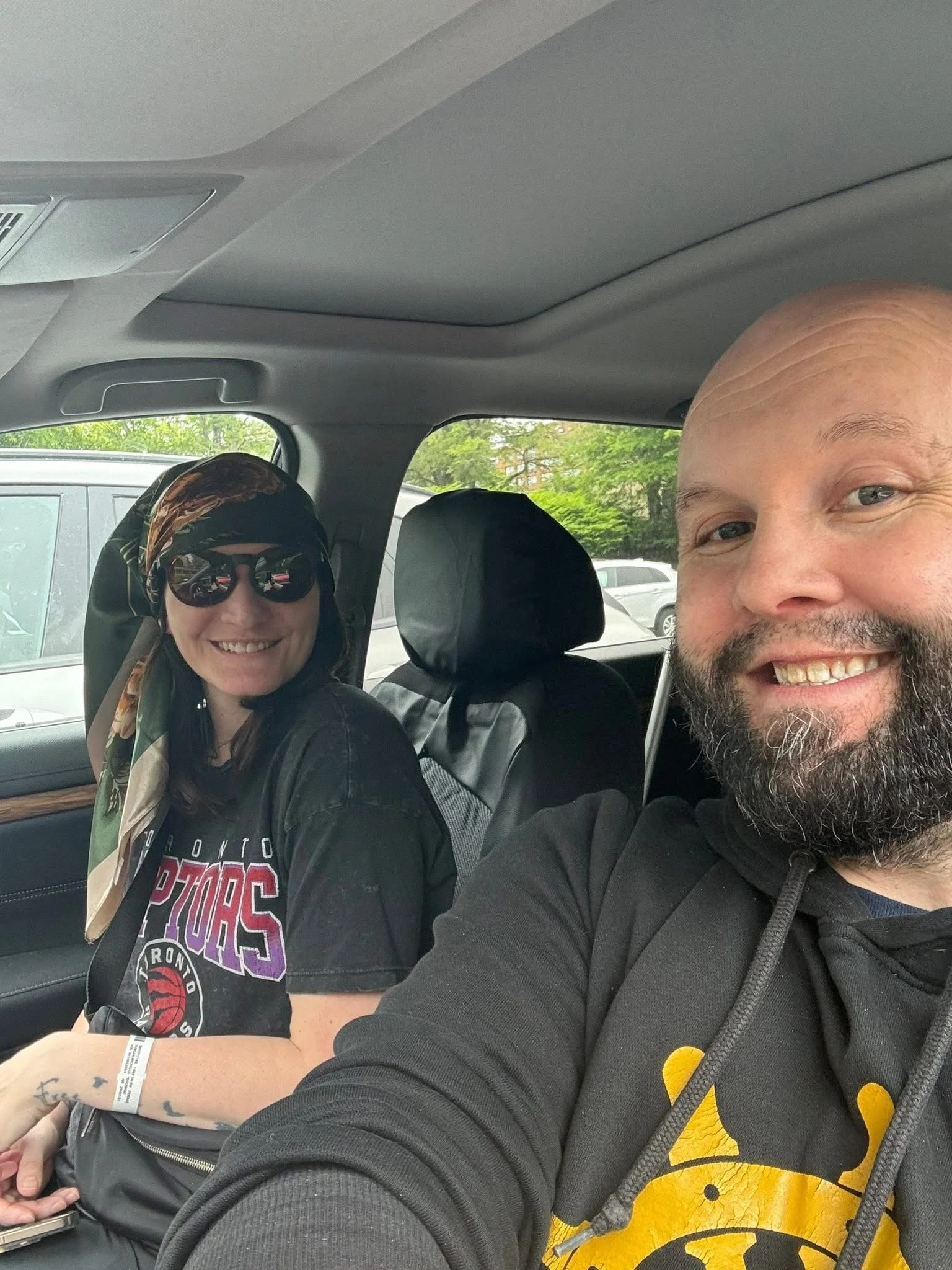
One weekend, my sisters and cousin drove me back to the rehab centre. We stopped for lunch, which was fine—but then we went to Walmart. That’s when I had my first “I did too much” moment. I broke down in the middle of an aisle. My cousin brought me back to the car while my sisters finished the list.
That week, my occupational therapist explained that this was completely normal. My brain had to relearn how to process and filter everything again—now that a piece of it was missing. Even something like showering could exhaust me for the rest of the day. I had to learn how to pace myself—and I’m still learning that.
---
Relearning My Mind
My memory was affected more than I expected. My long-term memory was intact, but my short-term memory wasn’t. I couldn’t remember or repeat things I had just said or read minutes before. It has improved, but it’s still something I’m working on.
Speech was also difficult. Right after surgery, “right” meant yes, and “maybe” meant no—which made things confusing. Speech therapy wasn’t just about talking—it was about learning how to communicate again and rebuild memory pathways.
It was hard—and honestly, humbling. I would know the word, or recognize that it should come easily, but I just couldn’t get it out. Even simple conversations were exhausting. The mental effort it took to focus and engage with someone was something I had never experienced before.
My occupational therapist gave me practical tools for when I felt overwhelmed—small ways to pause, reset, and keep going.
---
Small Things, Big Wins
In those first few weeks, I relied heavily on writing things down. I would forget which floor I needed to be on or what I was supposed to do next. My phone became essential for notes and reminders—another simple but powerful tool that helped me regain some independence. Even now, I still write things down often.
Looking back, some things started to make sense. Before my seizure, I remember struggling with announcements at church. I couldn’t retain simple information and leaned heavily on my iPad. At the time, I didn’t fully understand why.
My arm was the last piece to start coming back before I was discharged. Eventually, they felt I was ready to continue rehab at home—and I agreed, even though I wasn’t 100%. Even now, I still can’t fully write properly, and I’m continuing to rebuild fine motor skills—even after my second craniotomy.
---
Gratitude in the Process
Today, I still attend rehab as an outpatient. Healing takes time. The brain is incredibly complex, and in many ways, time has been one of the greatest healers.
As difficult as rehab was, I’m so thankful for that season. I had an incredible team—occupational therapists, physiotherapists, speech therapists, and nurses—people who cared for me in a way that preserved my dignity, even when I needed so much help.
And through it all, I knew the Lord was near. From the first day to the last, I could see His hand in my healing. I never felt alone. I never felt abandoned.
---
Still Healing
Healing hasn’t been instant, and it hasn’t been easy—but I’ve seen His faithfulness in it all. I’m still on the journey, still learning, still healing—and trusting that God isn’t finished with me yet. The Lord has been my strength, my peace, and my constant, and I trust that He will continue what He started in me.
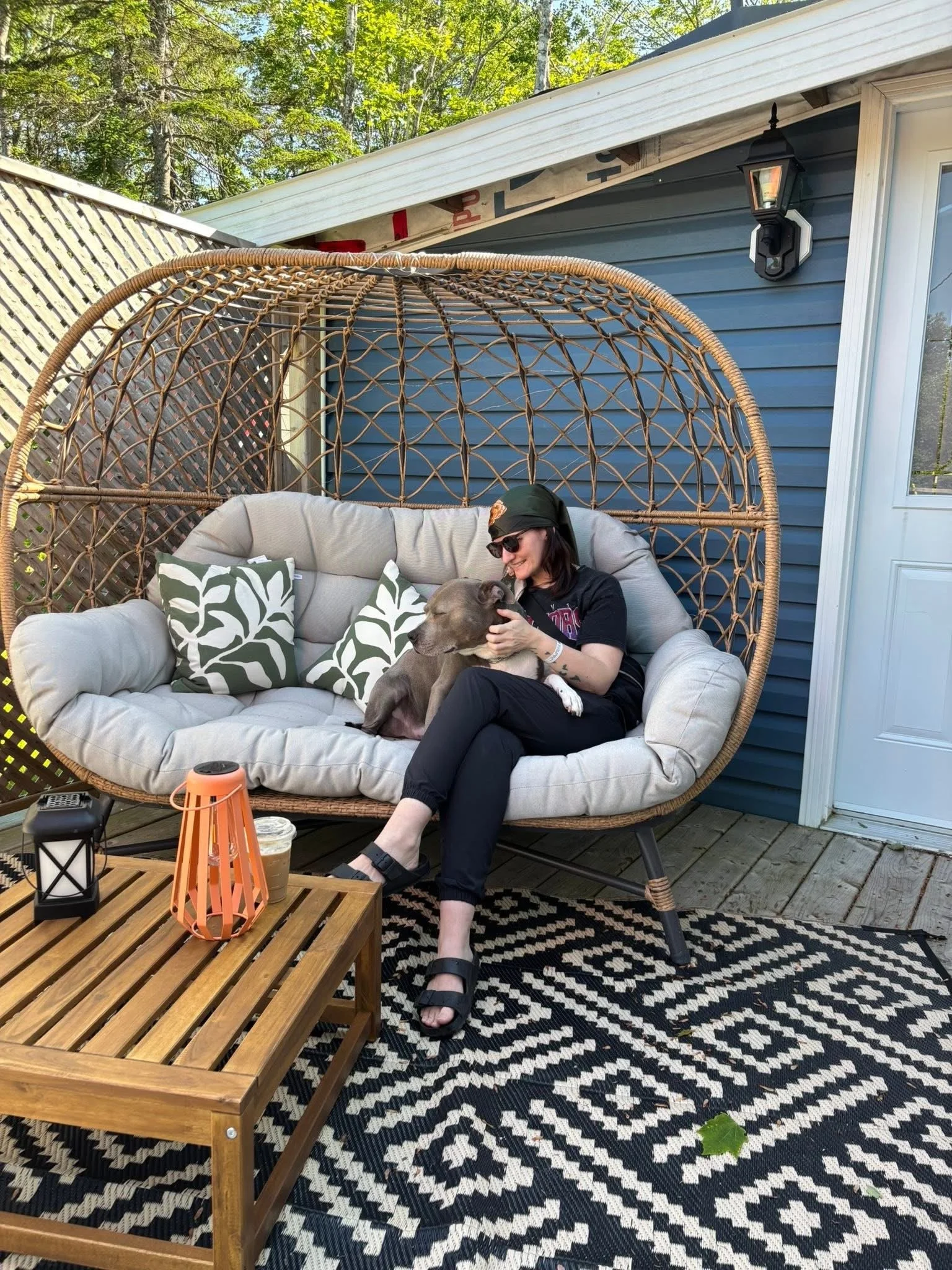
First weekend home in almost a month!